
explore : home learning
EXPLORe Pathway – Home Learning Ideas
Discovering and learning together at home
Learners in the Explore Pathway access learning through sensory exploration, curiosity, shared attention, and early communication. The focus is on engagement, connection, and meaningful experiences.
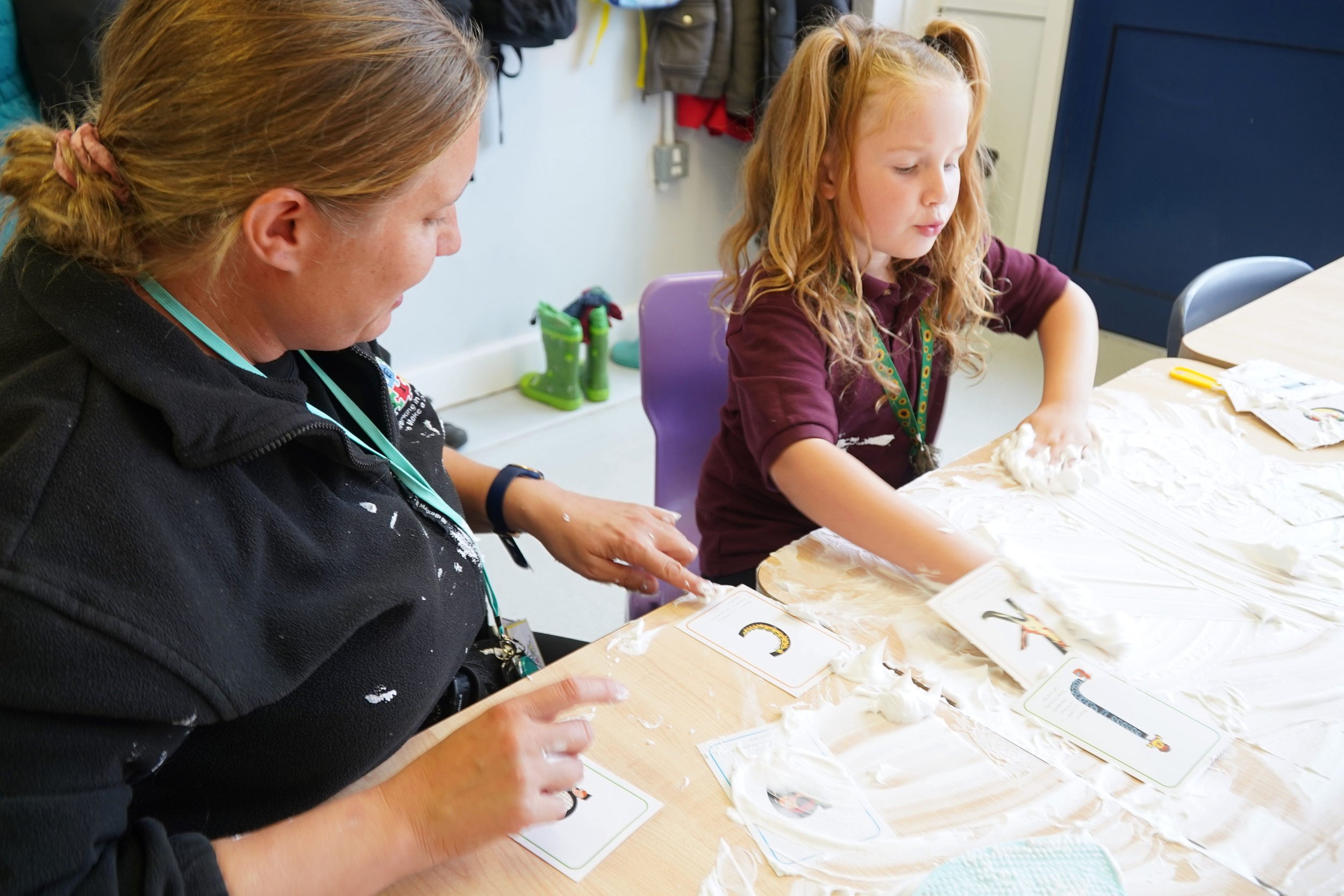
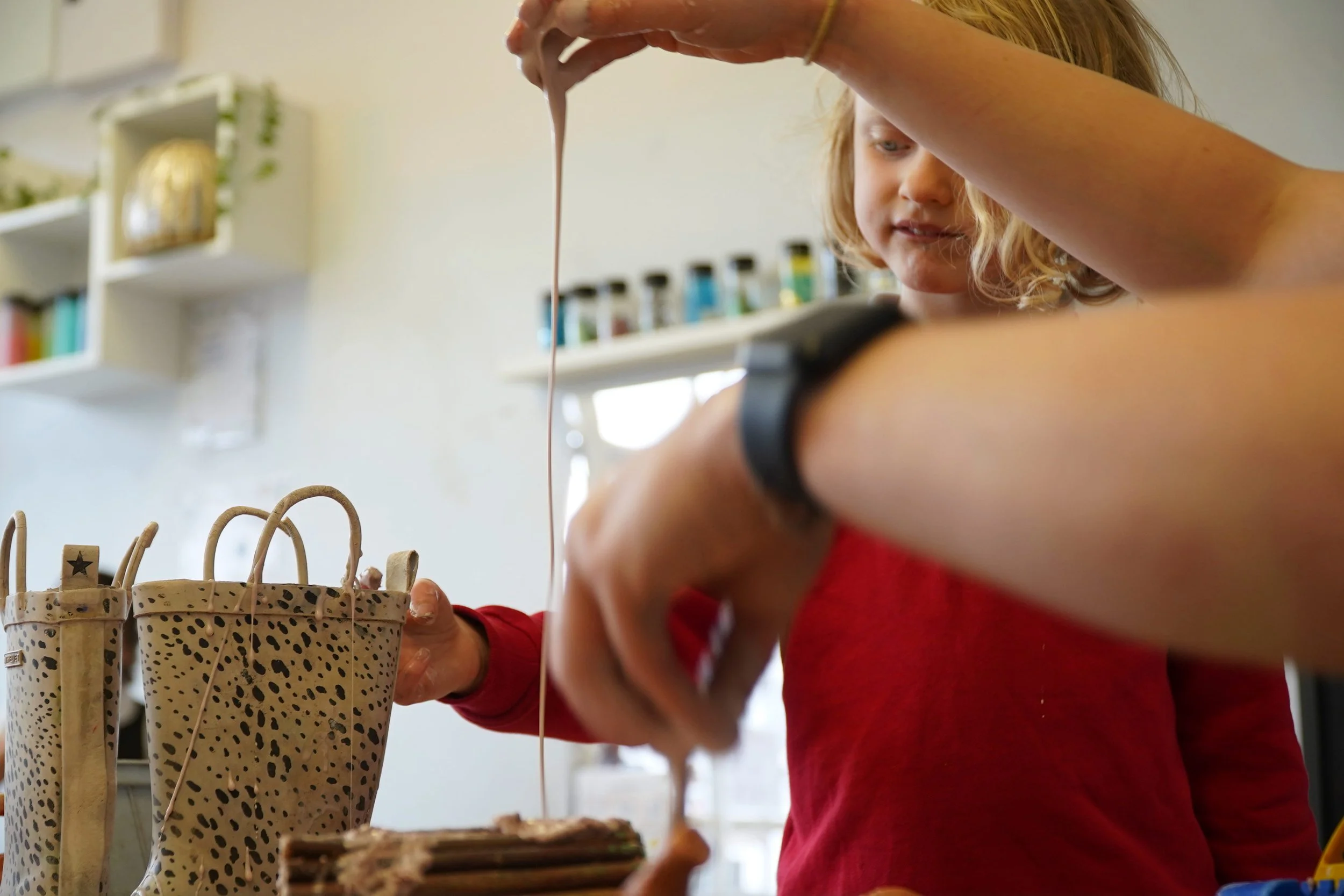
Our children love to be messy, outdoors, active, and hands on. Learning happens best when we follow the child’s lead, observing what they choose to explore and building learning opportunities around their interests.
Adults support learning by joining in, modelling, and gently extending play in ways that feel natural and enjoyable for each child. Every child interacts with their environment in their own way, and this is valued and celebrated.
There is no right or wrong way for your child to take part whether they are watching, exploring briefly, or repeating an activity many times are all valuable ways of learning.
Activities to try at home
Bubble play, water trays, sand/rice tubs - great for hand-eye coordination and exploring cause and effect.
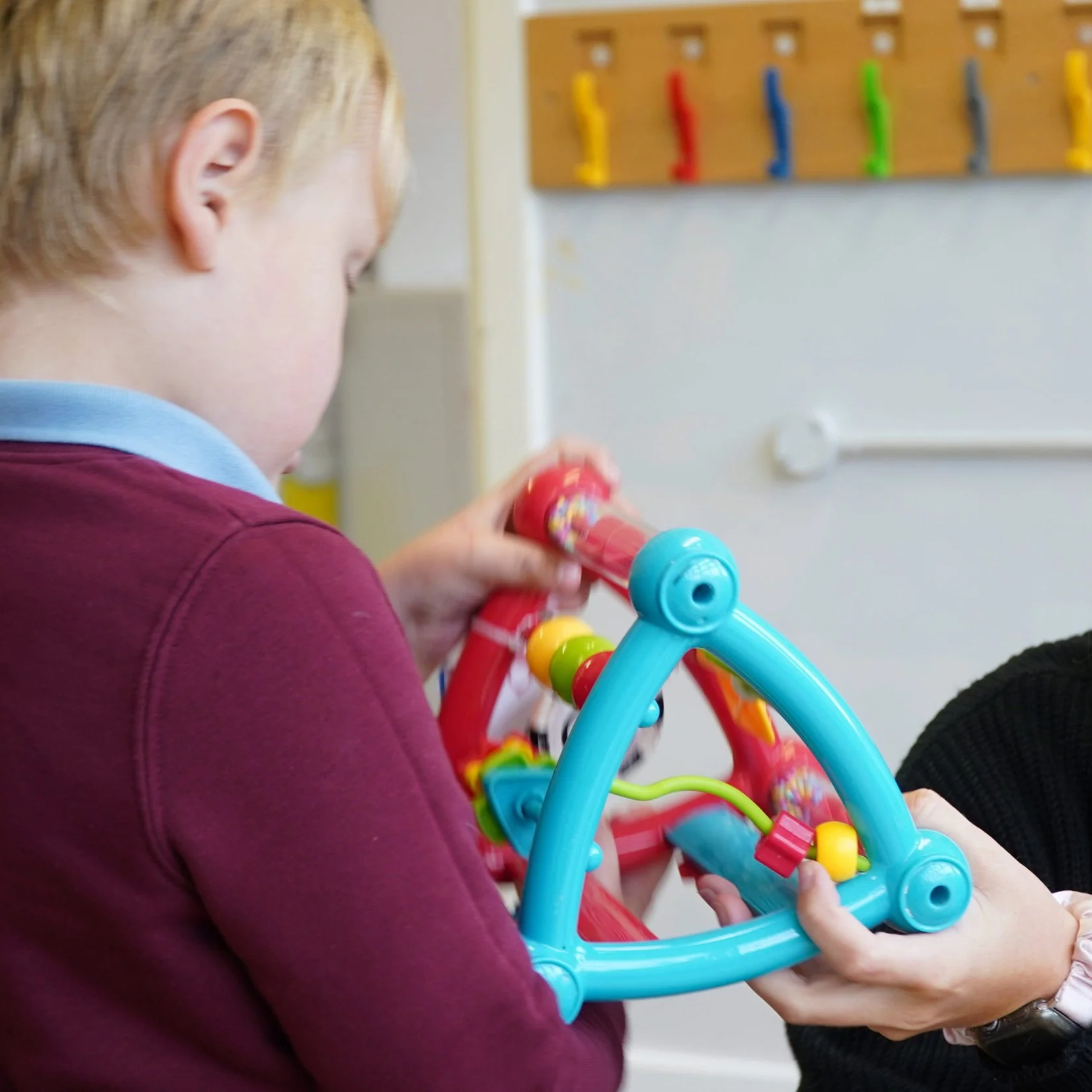
Sensory bottles, lights, vibrating toys - support visual tracking, touch, and sound awareness.
Copying faces, sounds, or simple actions - encourages early communication and social interaction.
Sharing sensory stories, rhymes, and songs - promotes attention, listening, and language.
Floor play, rolling, tummy time - builds gross motor skills and body awareness.
Exploring household objects with texture, sound, or movement - encourages curiosity and problem solving.
Treasure baskets - fill a basket with safe everyday objects of different textures, sizes, and materials for your child to explore.
Cooking or food exploration - feeling, smelling, and tasting different foods together. For example, squishing dough, stirring batter, or playing with dry pasta or rice.
Musical instruments - shakers, tambourines, or pots and pans for making sounds and rhythm.
Nature play - exploring leaves, water, mud, sand, stones, or flowers to develop sensory awareness.
Light and shadow play - using torches or lamps in a darkened room to create moving shadows and reflections.
Cause and effect toys - toys that respond to push, pull, or press actions (like pop-up toys or simple buttons).
Simple obstacle courses - crawling under cushions, climbing over soft objects, or stepping between markers to develop motor skills.
Story sacks - a bag with a simple book and related objects or toys to enhance engagement with stories.
Supporting learning with technology
We know and understand that many children enjoy some screen time, and for some learners this can be calming and regulating. While we always recommend minimal and purposeful screen use, we recognise that short, well-chosen screen activities can support attention, communication, and engagement. Screen time is most beneficial when it is brief, shared with an adult, and uses simple, visually clear content that complements hands-on, play-based learning.
Useful Websites:
https://www.bbc.co.uk/tiny-happy-people
https://www.bbc.co.uk/cbeebies